Alo didn’t come out of nowhere. It might feel like it did—suddenly everywhere, worn by influencers, popping up in sleek stores, showing up in your gym—but there’s a real story behind it. And the ownership is a little more interesting than a typical fashion brand tale.
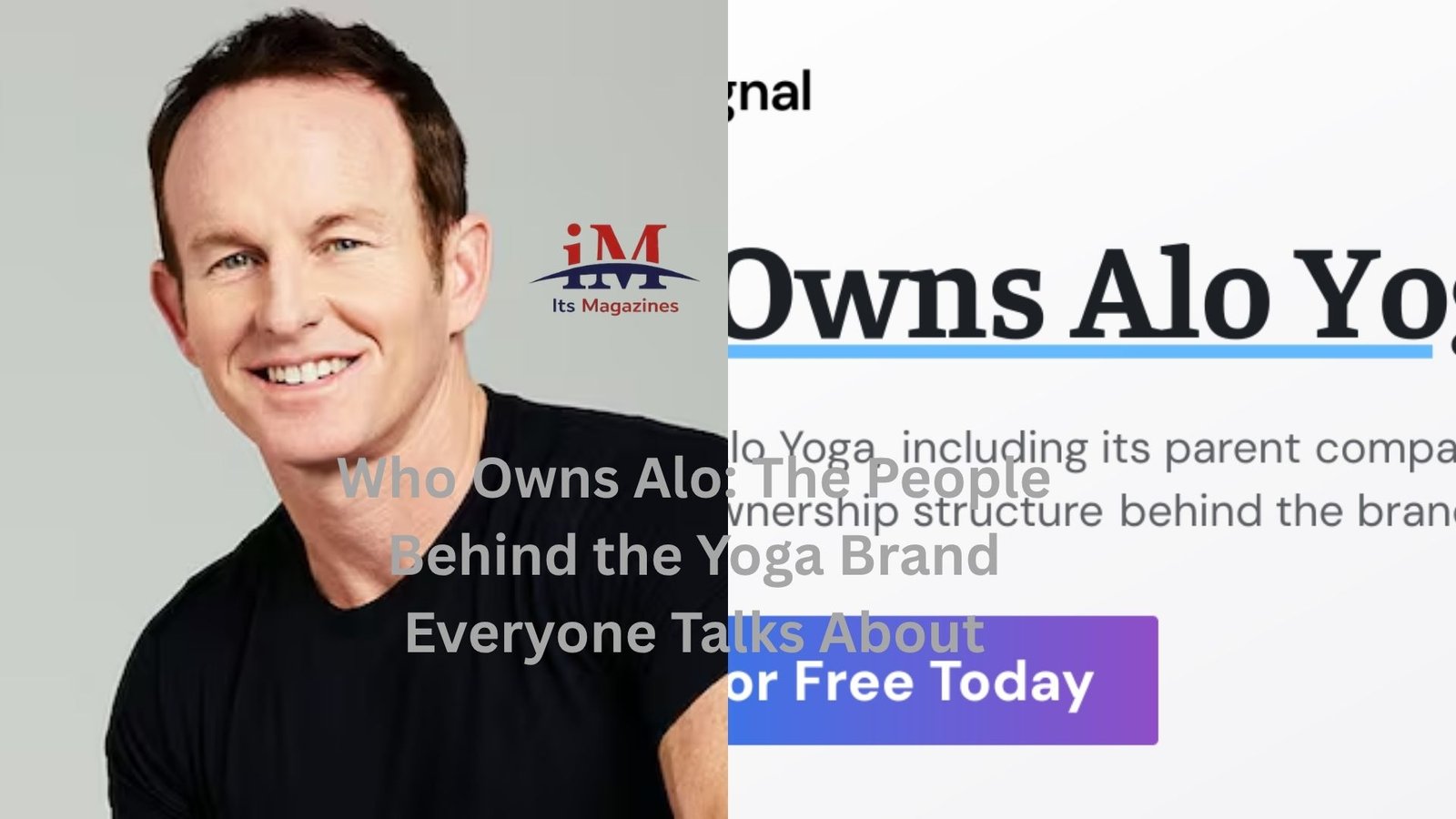
Let’s clear it up first: Alo Yoga is owned by a private company called Color Image Apparel, run by co-founders Danny Harris and Marco DeGeorge. They’re not celebrities. They’re not constantly in the spotlight. But they’ve quietly built one of the most recognizable activewear brands in the world.
Now here’s where it gets more interesting.
The Company Behind Alo Isn’t New
If you assumed Alo was started by yoga instructors or social media personalities, you’re not alone. That’s the vibe it gives off—clean, mindful, lifestyle-driven.
But Harris and DeGeorge were already deep in the apparel business long before Alo launched in 2007. Their company, Color Image Apparel, was actually known for manufacturing basics and wholesale clothing. Think blank tees, everyday essentials, the kind of stuff other brands would slap their logos onto.
So when Alo came along, it wasn’t their first rodeo. It was more like a pivot.
Instead of staying behind the scenes making products for other labels, they decided to build their own brand. One that felt premium, intentional, and tied to a lifestyle—not just clothing.
And they had a big advantage: they already knew how to make clothes efficiently.
Why They Created Alo in the First Place
Here’s the thing. The mid-2000s were a different time for activewear.
Yoga was growing fast, but the clothing options? Not great. You either had basic athletic wear or a few early premium brands that hadn’t fully figured out style yet.
Harris and DeGeorge saw a gap. They wanted to create clothing that worked in a yoga studio but also looked good outside it. Not stiff. Not overly technical. Just clean, flattering, and wearable.
Picture someone leaving a morning class and heading straight to a coffee shop without changing. That’s the use case they were designing for.
The name itself—Alo—stands for Air, Land, Ocean. It’s meant to reflect a broader lifestyle, not just yoga.
Whether that meaning resonates or feels a bit brand-polished depends on your perspective. But it helped shape the identity early on.
A Private Company by Design
One thing that surprises people: Alo isn’t publicly traded.
There’s no stock ticker. No quarterly earnings calls. No shareholder pressure in the traditional sense.
That means Harris and DeGeorge still have significant control over how the brand grows. They don’t have to chase trends just to hit short-term numbers. They can play a longer game.
You can actually see that in how Alo has expanded.
They didn’t rush into opening hundreds of stores overnight. They didn’t flood the market with endless product lines right away. Growth has been steady, but controlled.
Compare that to some brands that explode and then fade just as quickly. Alo has avoided that pattern so far.
The Celebrity Factor (Without Celebrity Ownership)
Scroll through Instagram and you’ll see Alo everywhere—celebrities, influencers, fitness creators. It almost feels like a celebrity-backed brand.
But it’s not.
No single celebrity owns Alo. There’s no founder with a massive personal brand attached to it. And that’s intentional.
Instead of tying the company to one face, they’ve built a network of visibility. Models, actors, yoga instructors, and influencers all wear it, but none of them define it completely.
It’s a subtle difference, but it matters.
If a celebrity-backed brand loses relevance, the brand can go with it. Alo avoids that risk by staying a bit more neutral.
That said, they’re incredibly good at placement. You’ll notice their clothes show up in just the right places—on the right people, in the right settings. That’s not accidental.
The Role of Vertical Integration
Here’s something most people don’t think about when they ask who owns Alo.
Ownership isn’t just about names—it’s about control.
Because Alo comes out of Color Image Apparel, they have a level of vertical integration that many newer brands don’t. In simple terms, they control a lot of their production process.
That means:
- They’re not relying entirely on third-party manufacturers
- They can iterate designs faster
- They can manage quality more closely
Imagine designing a product and not having to wait months for an external factory to figure it out. That speed changes everything.
It also helps explain how Alo maintains consistency across its collections. You don’t get wildly different quality from one drop to the next.
Is Alo Still Founder-Led?
Yes—and that’s a big deal.
Danny Harris and Marco DeGeorge are still actively involved. They serve as co-CEOs and continue shaping the brand’s direction.
Founder-led companies tend to feel different. Decisions often come from a long-term vision rather than short-term optimization.
You can see it in how Alo positions itself. It’s not just selling leggings. It’s selling a lifestyle that blends wellness, fashion, and a bit of aspiration.
Sometimes that works beautifully. Sometimes it can feel a little curated or overly polished. But it’s consistent.
The Retail Expansion Strategy
If you’ve walked past an Alo store, you probably noticed something right away: it doesn’t feel like a typical athletic store.
It’s calmer. Cleaner. Almost spa-like.
That’s deliberate.
Alo’s retail presence is part of its identity, not just a sales channel. The stores are designed to reflect the brand’s version of wellness—minimal, elevated, slightly aspirational.
And again, ownership plays into this.
Because the company is private and founder-led, they can invest in physical spaces that build the brand long-term instead of focusing only on immediate returns.
Not every store needs to be maximally profitable right away. Some exist to reinforce the brand image.
The Digital Side of the Business
Now here’s where things get a bit more modern.
Alo isn’t just a clothing company. It’s also built a strong digital ecosystem.
They’ve invested in:
- Online content
- Yoga classes and wellness videos
- Social media storytelling
This isn’t just marketing fluff. It’s part of how they position themselves as more than apparel.
Think about it like this. If someone buys leggings from Alo and also follows their yoga content, the relationship deepens. It’s not just transactional anymore.
And again, because of how the company is owned, they can invest in these longer-term brand-building efforts without needing immediate payback.
Why Ownership Structure Actually Matters to You
You might be thinking: okay, interesting—but why should I care who owns Alo?
Fair question.
Ownership affects:
- Product consistency
- Pricing decisions
- Brand direction
- Customer experience
For example, a private, founder-led company might prioritize quality and brand identity over aggressive discounting. That’s exactly what you see with Alo.
You don’t often find massive sales or constant promotions. Prices stay relatively stable.
Some people love that—it signals consistency and confidence. Others find it frustrating.
But it all ties back to who’s in control.
A Quick Reality Check on the Brand
Let’s be honest for a second.
Alo has done a great job building a premium image. But it’s still a business at the end of the day.
The wellness messaging, the clean aesthetic, the influencer presence—it’s all part of a carefully crafted brand strategy.
That doesn’t make it fake. It just means it’s intentional.
If you’ve ever bought something because it felt aligned with a lifestyle you wanted, you’ve experienced this firsthand.
Alo is very good at creating that feeling.
Where Alo Is Headed
Because the company is privately owned, we don’t get the same level of transparency you’d see with public brands. No detailed financial breakdowns. No quarterly strategy updates.
But you can read the signals.
They’re expanding retail locations globally. They’re deepening their digital content. They’re staying consistent with their aesthetic rather than chasing every trend.
That suggests a long-term approach.
Not explosive growth at all costs. More like steady expansion while protecting the brand image.
Whether that holds over the next decade is another question. Plenty of brands lose their edge once they scale too far.
But for now, the ownership structure is helping them stay relatively focused.
The Bottom Line
So, who owns Alo?
It comes down to this: Alo Yoga is owned by Color Image Apparel, led by co-founders Danny Harris and Marco DeGeorge.
No celebrity founder. No public shareholders. Just a privately held company with deep roots in apparel manufacturing and a clear vision for what the brand should be.
That combination—experience behind the scenes and control at the top—has shaped Alo into what it is today.
A brand that feels polished, intentional, and a little aspirational.
Whether you see it as authentic or carefully engineered probably depends on how closely you look. But either way, the ownership story explains a lot about why Alo operates the way it does.