A logo can take hours to create, yet people often form an opinion about it in seconds.
That’s why so many small business owners, freelancers, content creators, and startup founders spend a surprising amount of time looking for free logo resources. The challenge isn’t finding logos. The internet is packed with them. The real challenge is finding options that actually look professional and can be used without creating legal or branding headaches later.
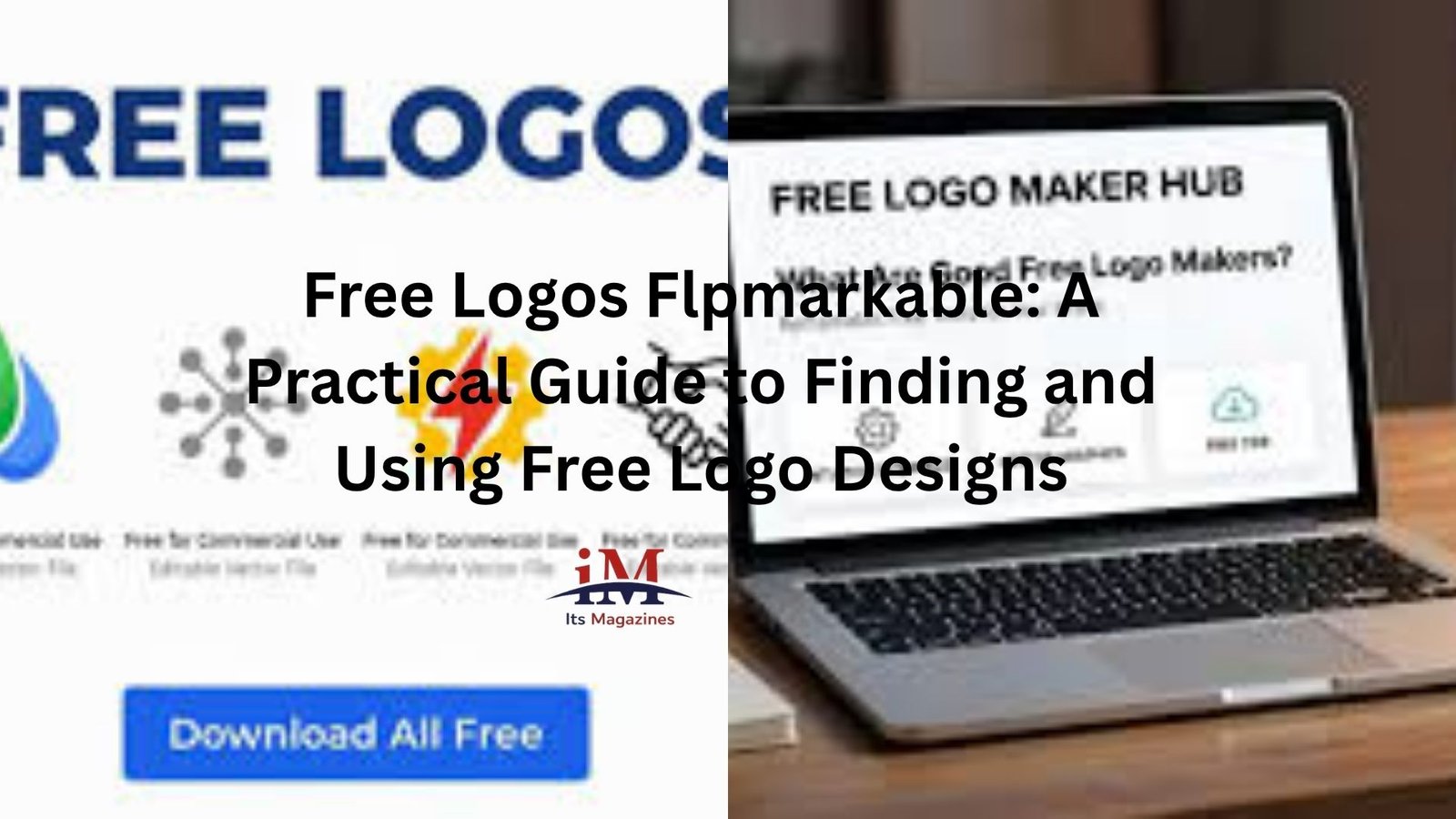
When people search for free logos flpmarkable, they’re usually looking for ways to get quality logo designs without spending a fortune. Sometimes they’re launching a side project. Sometimes they’re testing a business idea. Other times they simply need something clean and functional while they build momentum.
The good news is that free logo resources can be genuinely useful when used the right way.
Why Free Logos Appeal to So Many People
Starting a project often comes with a long list of expenses.
You might need a website, hosting, social media graphics, business cards, packaging, or advertising. Spending hundreds or thousands on branding isn’t always realistic at the beginning.
That’s where free logo options become attractive.
Imagine someone starting a local gardening service. They have equipment costs, transportation costs, and marketing expenses. Investing heavily in a custom logo before getting their first customers may not make much sense.
A simple free logo can help them look organized and credible while they focus on building revenue.
The same idea applies to bloggers, YouTube creators, online stores, and community projects. Sometimes a free logo isn’t the final destination. It’s simply a practical first step.
Not All Free Logos Are Created Equal
Here’s the thing: “free” can mean very different things.
Some logos are completely free for personal and commercial use. Others allow personal use only. Some require attribution. A few look free until you read the licensing terms carefully.
That’s why checking usage rights matters.
A logo that works perfectly for a school project may not be legally suitable for a business website or product packaging.
Many people skip this step because they’re excited to move quickly. Later they discover restrictions they didn’t notice.
A few minutes spent reviewing the license can save a lot of frustration.
What Makes a Good Logo Anyway?
People often focus on visual complexity.
Ironically, many successful logos are remarkably simple.
Think about the logos you instantly recognize. Most aren’t overloaded with details. They use clear shapes, readable typography, and a consistent visual identity.
A good logo typically does a few things well:
- It remains recognizable at different sizes.
- It works in black and white.
- It looks clean on both digital and printed materials.
- It reflects the brand’s personality without becoming cluttered.
A free logo that meets those standards can often outperform an expensive logo that’s trying too hard.
Common Places People Look for Free Logos
The search for free logos flpmarkable usually leads people through several different types of resources.
Some prefer logo generators. These tools allow users to enter a business name and receive logo suggestions instantly. They’re fast and convenient, especially for people who don’t have design experience.
Others browse free design libraries that offer downloadable logo templates.
Then there are open graphic communities where designers share resources with various licensing terms.
Each approach has advantages.
Logo generators save time. Template libraries offer more control. Community resources often provide unique designs that don’t look identical to thousands of other brands.
The best choice depends on how much customization you want and how comfortable you are editing graphics.
The Hidden Problem With Generic Templates
Free logo templates solve one problem but can create another.
Uniqueness.
If thousands of people download the same template, your brand may end up looking very similar to someone else’s.
That doesn’t automatically make the logo bad. In fact, many businesses successfully use common design elements.
The issue appears when the logo becomes difficult to distinguish from competitors.
Let’s say two fitness coaches use nearly identical dumbbell icons and typography. Customers may struggle to remember which brand is which.
Even small modifications can help.
Changing colors, adjusting typography, modifying shapes, or combining multiple design elements can make a template feel far more personal.
Simple Ways to Improve a Free Logo
You don’t need advanced design skills to make a logo feel more professional.
Small adjustments often produce noticeable improvements.
Typography is usually the easiest place to start. The right font can completely change the personality of a logo.
Color selection matters too.
Many free templates use bright, trendy colors because they attract attention. Yet a more restrained palette often looks stronger in real-world use.
A local accounting firm, for example, probably doesn’t need neon pink and electric green branding. More subtle colors may communicate trust more effectively.
Spacing is another overlooked detail.
Crowded logos tend to look amateurish. Giving elements room to breathe can dramatically improve readability.
When Free Makes Perfect Sense
There are situations where using a free logo is entirely reasonable.
Early-stage projects are a great example.
Suppose you’re testing a niche website about urban gardening. You don’t know whether the project will gain traction. Spending heavily on branding before validating the idea may not be the smartest move.
A free logo can provide enough visual identity while you gather feedback and build an audience.
Community groups often benefit as well.
Volunteer organizations, local clubs, and temporary events may have limited budgets. In those cases, free branding resources can help stretch available funds.
Not every project requires a premium custom design from day one.
When It Might Be Time to Upgrade
As a brand grows, its needs often change.
A logo that worked during the startup phase may begin to feel limiting.
Perhaps the design doesn’t scale well. Maybe it looks dated. Or maybe the business has developed a stronger identity that deserves a more tailored visual system.
This transition happens naturally.
Many successful businesses started with simple, inexpensive branding and upgraded later once revenue and audience growth justified the investment.
The key is recognizing when the logo has become a bottleneck rather than an asset.
Avoiding Common Mistakes
One mistake appears again and again.
People choose logos based solely on what looks impressive at a large size.
Then they discover the logo becomes unreadable on social media profiles, mobile screens, or website headers.
Testing at multiple sizes is important.
Another common issue is chasing trends.
Design trends come and go quickly. A logo that feels fashionable today may look outdated in a year or two.
Timeless simplicity usually ages better than trendy complexity.
There’s also the temptation to include every possible symbol related to a business.
A bakery logo doesn’t need bread, wheat, rolling pins, chef hats, ovens, and cupcakes all at once.
Less is often more.
Branding Goes Beyond the Logo
A logo matters.
But it’s only one piece of the puzzle.
People sometimes spend weeks obsessing over a logo while ignoring everything else that shapes customer perception.
The tone of your website matters.
Customer service matters.
Product quality matters.
Consistency matters.
Think about a neighborhood coffee shop with a modest logo but friendly staff, great coffee, and a welcoming atmosphere. Customers remember the experience far more than the exact design of the logo.
Good branding happens when all those elements work together.
The logo simply serves as a visual shortcut to the overall experience.
Making Free Logos Work in the Real World
The most successful users of free logos tend to approach them realistically.
They don’t expect perfection.
Instead, they view the logo as a practical business tool.
A freelance photographer might start with a free text-based logo while building a portfolio.
An online store owner may use a free logo during product testing.
A nonprofit group could adopt a free design while directing limited funds toward community programs.
In each case, the logo supports the larger goal rather than becoming the center of attention.
That’s often a healthier mindset.
Too many projects get delayed because people wait for the perfect logo before launching.
Meanwhile, someone with a decent logo and a good product is already serving customers.
Looking Professional Without Spending Much
Professionalism doesn’t always come from budget.
It often comes from consistency.
Using the same logo across your website, social profiles, email signatures, and printed materials creates a stronger impression than constantly changing designs.
Even a simple free logo can appear polished when used consistently.
The opposite is also true.
A beautiful custom logo loses impact when it’s applied inconsistently or paired with poor design choices elsewhere.
People notice the overall presentation more than individual design details.
That’s encouraging for anyone working with limited resources.
The Bottom Line
The growing interest in free logos flpmarkable reflects a practical reality: many people need affordable ways to build a visual identity while launching projects, businesses, and creative ventures.
A free logo won’t magically create a successful brand. At the same time, it doesn’t have to hold you back.
The smartest approach is to choose a clean design, understand the licensing terms, customize where possible, and focus on the bigger picture. A logo should support your goals, not delay them.
Start with something solid. Use it consistently. Improve it when the time is right.
For many projects, that’s more than enough to get moving.