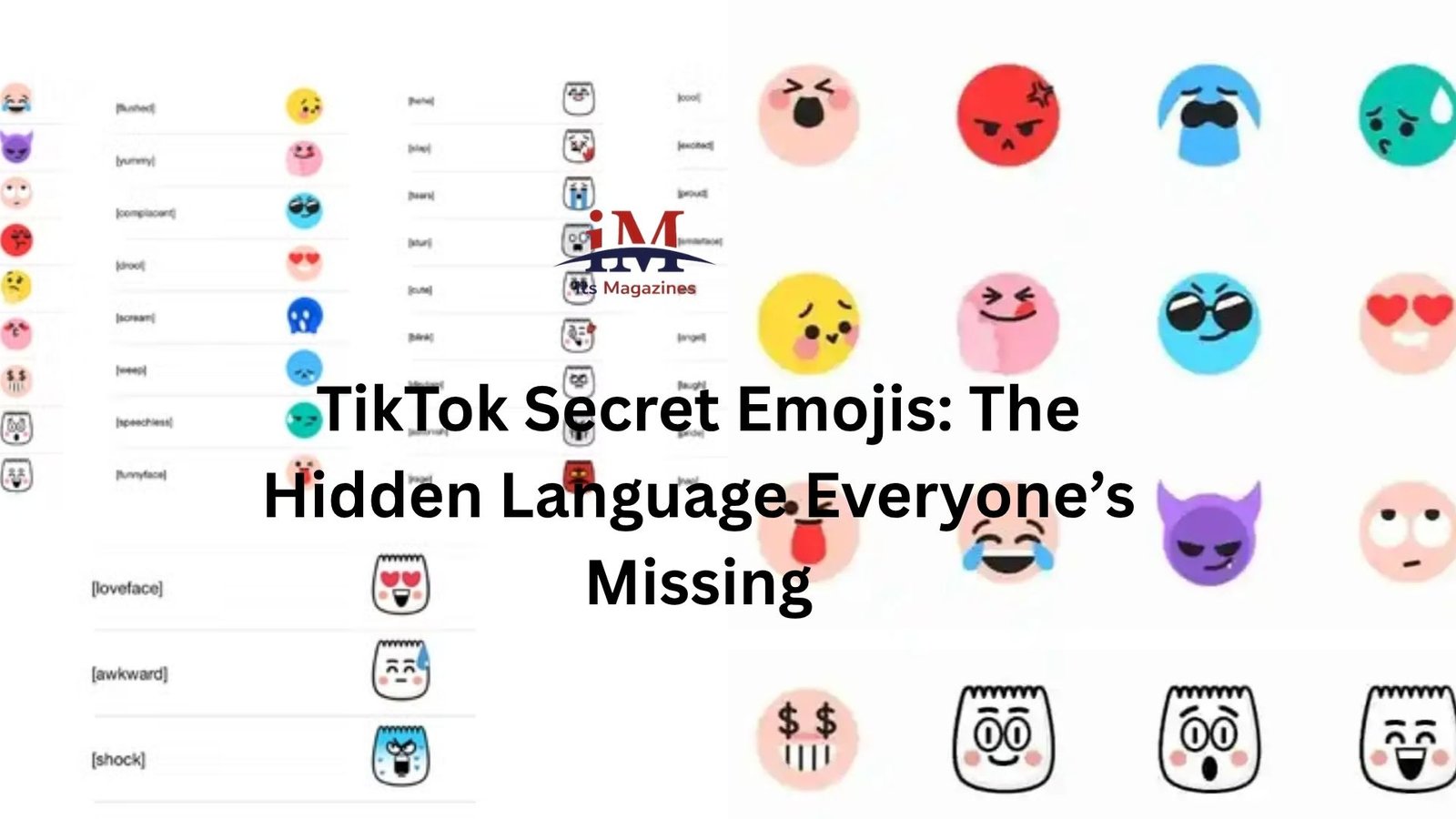
If you’ve ever seen a TikTok comment filled with strange bracketed words like [smile] or [angry] and wondered why they look different from normal emojis, you’re not imagining things. Those aren’t your standard keyboard emojis. They’re TikTok’s secret emojis—and once you notice them, you start seeing them everywhere.
They’re subtle. A little insider-ish. And honestly, kind of fun.
But here’s the thing: most people either don’t know they exist or don’t fully understand how to use them. That’s where things get interesting, because once you do, your comments suddenly feel more “in the know.” Not try-hard, just… fluent in TikTok.
Let’s break it down in a way that actually makes sense.
What TikTok Secret Emojis Actually Are
TikTok secret emojis are hidden emoticons you trigger by typing specific codes inside square brackets. Not from your emoji keyboard. Not from a menu. Just plain text.
You type something like [smile] in a comment, hit post, and TikTok transforms it into a small, stylized emoji that looks completely different from the usual ones.
They’re exclusive to TikTok’s system, which is why they feel a bit like an inside joke.
Now, they don’t work everywhere. You’ll mostly see them in comments and captions, not in usernames or bios. And they don’t auto-suggest either, so unless you know the code, you’d never stumble into them by accident.
That’s part of the appeal.
Why People Use Them (It’s Not Just for Looks)
At first glance, they might seem like a novelty. Just another way to decorate comments. But there’s a bit more going on.
For one, they feel less generic than standard emojis. Everyone uses 😂 or ❤️. But when someone drops a [cute] or [wow], it feels intentional. Like they chose that expression rather than defaulting to whatever was on their keyboard.
There’s also a subtle social signal. Using these emojis says, “I know how this platform works.” Not in an arrogant way, just in a quietly fluent one.
Think of it like knowing a niche meme format or referencing a trend before it blows up. It doesn’t scream for attention, but it lands differently.
And sometimes, they just look better. TikTok’s secret emojis have a distinct style—more expressive, slightly exaggerated, almost cartoonish in a way that fits the app’s vibe.
How to Use Them Without Looking Forced
Let’s be honest. The quickest way to ruin something cool is to overuse it.
You don’t need to sprinkle secret emojis into every comment like seasoning. In fact, they work best when they feel natural.
Say you’re replying to a funny video. Instead of dropping three laughing emojis, you might go with something like:
“That caught me off guard [laugh]”
It reads like a normal sentence. The emoji just adds a bit of flavor.
Or imagine you’re reacting to something unexpectedly wholesome:
“Okay this is actually adorable [cute]”
That small addition shifts the tone just enough.
Now compare that to:
“[cute][cute][cute] THIS IS SO CUTE [cute][cute]”
It feels… off. A little try-hard.
The trick is to treat them like punctuation, not decoration.
A Few Popular Codes You’ll Start Seeing
There are quite a few of these hidden emojis, and new ones seem to appear or gain popularity over time. You don’t need to memorize all of them, but recognizing a few helps.
Some of the more commonly used ones include:
[smile]– a soft, friendly grin[laugh]– more expressive than your typical 😂[angry]– exaggerated frustration[cry]– dramatic, almost theatrical sadness[wow]– wide-eyed surprise[cute]– probably one of the most used[love]– a warmer, softer version of ❤️[shock]– when something genuinely catches you off guard
What’s interesting is how these emojis often exaggerate emotions more than standard ones. They lean into TikTok’s style—slightly chaotic, a bit theatrical, but still relatable.
You’ll start recognizing them faster than you expect. It’s like learning slang. At first, it feels unfamiliar. Then suddenly, it’s second nature.
Where They Show Up (and Where They Don’t)
You’ll mostly see secret emojis in comments. That’s their natural habitat.
They also work in captions, though people tend to use them less there. Maybe because captions already have enough going on, or maybe because comments feel more conversational.
They don’t translate outside TikTok. If you copy a comment with [smile] and paste it somewhere else, it stays as plain text. No transformation.
That’s another reason they feel a bit exclusive. They belong to TikTok.
And honestly, that limitation makes them more interesting. Not everything needs to be portable.
The Subtle Culture Around Them
There’s an unspoken etiquette developing around these emojis.
Heavy users tend to keep things minimal. One emoji per comment, maybe two if it really fits. It’s less about quantity and more about placement.
You’ll also notice that certain communities use them more than others. Fandom spaces, for example, love them. So do comment sections that lean into humor or exaggerated reactions.
Meanwhile, more informational or serious content tends to skip them entirely.
It’s not a strict rule, but it’s noticeable.
And then there’s timing. Dropping a [shock] on a plot twist comment right when a video is blowing up? That hits differently than using it randomly.
Context matters more than the emoji itself.
Do They Actually Boost Engagement?
Short answer: not directly.
Using a secret emoji won’t magically push your comment to the top. TikTok’s algorithm doesn’t reward you for knowing hidden codes.
But they can make your comment more readable and expressive, which can lead to more likes or replies. And that, indirectly, can boost visibility.
Think of it this way: if your comment feels more human and specific, people are more likely to engage with it.
For example:
“This is funny 😂😂😂”
versus
“I was not ready for that ending [laugh]”
The second one feels more personal. More intentional.
That difference matters, especially in crowded comment sections.
Common Mistakes People Make
The biggest one is overuse. It’s tempting, especially once you discover them. But stacking multiple secret emojis in a single comment quickly loses the effect.
Another mistake is using them out of context. A [cry] on something mildly disappointing doesn’t land the same as using it for something genuinely emotional or dramatic.
Then there’s the copy-paste trap. Some people grab a list of all the emojis and start using them randomly just because they can. That approach rarely works.
These emojis shine when they match the tone of what you’re saying. Not when they’re forced in.
Why They’re Not Going Away Anytime Soon
TikTok thrives on small, discoverable features like this. Things that reward curiosity.
Secret emojis fit perfectly into that ecosystem. They’re simple, but they create a sense of belonging. If you know, you know.
And because they’re not aggressively promoted, they maintain that slightly hidden feel. Even as more people learn about them, they don’t feel overexposed.
There’s also room for evolution. TikTok can add new emojis, tweak designs, or even introduce variations. That keeps things fresh without changing the core idea.
So while trends come and go, this feels more like a built-in feature that quietly sticks around.
A Quick Reality Check
Not using secret emojis doesn’t make your comments worse.
It’s easy to get caught up in thinking you need to use every platform feature to stay relevant. You don’t.
These emojis are just another tool. A small one.
If they fit your style, great. If they don’t, nothing breaks.
That said, understanding them helps you read the room better. You’ll pick up on tone, intent, and even subtle humor more easily.
And that’s arguably more valuable than using them yourself.
Final Thoughts
TikTok secret emojis are one of those features that seem minor until you start noticing how often they show up. Then they’re everywhere.
They add nuance. A bit of personality. Sometimes even a quiet signal that someone knows the platform well.
You don’t need to memorize every code or start using them in every comment. Just knowing they exist—and how they’re used—already puts you ahead of most people scrolling past them.
Now when you see [laugh] or [cute] pop up, you’ll know exactly what’s going on. And when you choose to use one yourself, it’ll feel natural instead of forced.
That’s really the whole point.