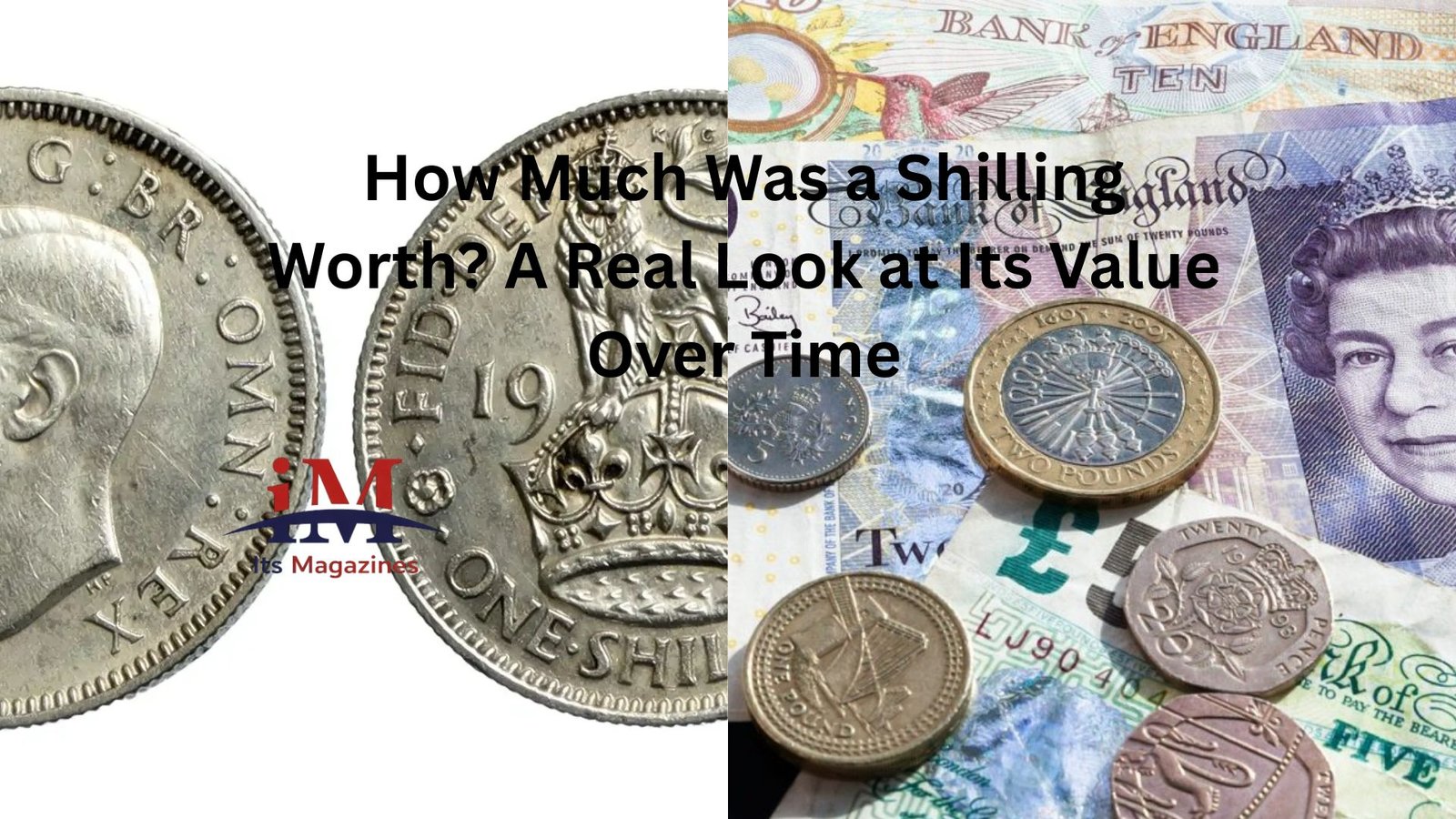
It’s a simple question on the surface: how much was a shilling worth?
But the answer isn’t just a number. It depends on when you’re asking, who was holding it, and what they were trying to buy. A shilling wasn’t just money—it was a unit of everyday life. Rent, food, wages, even small luxuries all ran through it.
To really understand it, you have to step into the world where a single coin mattered a lot more than it does today.
A Quick Sense of the Shilling
Before decimalization in 1971, British currency worked on a different system. One pound was 20 shillings. Each shilling was 12 pence.
That sounds messy now, but back then it was second nature.
A shilling sat in a sweet spot. It wasn’t pocket change, but it wasn’t a major sum either. Think of it like the modern equivalent of a few pounds or dollars—enough to matter, but not enough to make you nervous carrying it.
Still, its real value shifts dramatically depending on the era.
In the 1800s: A Shilling Meant Something
Go back to the mid-19th century. Industrial Britain. Smoky cities, long workdays, tight budgets.
A typical working man might earn somewhere between 15 and 25 shillings a week. That puts a single shilling at around 1/20th of a weekly wage.
Now think about that. Imagine earning $500 a week today. A shilling would be like $25 in that rough comparison. Not exact, but it gives a feel.
What could it buy?
You could get a decent meal, maybe bread, cheese, and a bit of meat. Or a few pints of beer. It might cover a night’s basic lodging in some places. For a family, it could mean the difference between stretching meals or going short.
There’s a story you’ll see in old records: workers counting coins at the end of the week, setting aside a few shillings for rent, a few for food, and hoping nothing unexpected came up. One lost shilling wasn’t trivial—it could throw things off.
Early 1900s: Still Strong, But Shifting
By the early 20th century, wages had risen, but so had expectations and costs.
A laborer might earn around 30 to 40 shillings a week. So the relative value of a shilling dropped a bit, but not dramatically. It still held weight.
You could buy:
- A good meal at a modest restaurant
- Several loaves of bread
- A train fare for a short journey
Here’s a small scenario to picture it.
A clerk finishes work in 1910. He’s got a couple of shillings in his pocket. One goes toward dinner—something warm and filling. Another might go toward entertainment, maybe a music hall show or a couple of drinks with friends.
That’s the key. A shilling wasn’t just survival money anymore. It had started to creep into everyday enjoyment.
Wartime and Between the Wars
World War I and the years after changed everything. Prices rose. Wages tried to keep up.
By the 1920s and 30s, a shilling still mattered, but it didn’t stretch as far.
You could still buy essentials, but less of them. Inflation chipped away quietly. People noticed it in small ways—maybe the same coin didn’t quite cover what it used to at the grocer’s.
Even then, though, it remained a useful, everyday unit. Workers still thought in shillings. Prices were still often set in them.
After World War II: The Decline Begins
Post-war Britain saw big economic changes. Wages increased more consistently, and consumer goods became more common.
By the 1950s, a shilling wasn’t what it used to be.
You might spend a shilling on:
- A bus ride or two
- A basic lunch
- A cinema ticket in some places
But here’s the thing—it was still a coin people cared about. Kids got pocket money in shillings. Adults still noticed when they spent one.
There’s a certain memory people share from that era: being sent to the shop with a shilling and coming back with change. That tells you something. It wasn’t tiny money yet.
Right Before Decimalization
By the late 1960s, just before Britain switched to decimal currency, the shilling had settled into a more modest role.
It was equal to 5 new pence after the change. That gives a clearer modern comparison.
But even then, you have to adjust for inflation. Five pence today feels almost meaningless. Back then, it wasn’t.
A shilling might still buy:
- A newspaper
- A small snack
- A short bus fare
Not much, but not nothing either.
You wouldn’t ignore a shilling if you dropped it. Let’s put it that way.
Converting a Shilling to Today’s Money
Here’s where people usually want a clean answer: what is a shilling worth today?
The honest answer is: it depends on the year you’re comparing.
But rough estimates help.
- Mid-1800s: one shilling might feel like £5 to £10 today
- Early 1900s: closer to £4 to £8
- 1950s: maybe £1 to £2
- 1970: somewhere around 50p to £1 in today’s buying power
These aren’t exact. Inflation calculators vary, and more importantly, lifestyle changes skew the comparison. Food, housing, and wages don’t all rise at the same rate.
Still, it gives a ballpark.
Why It’s Hard to Pin Down Exactly
Money isn’t just numbers. It’s context.
A shilling in 1850 bought more food relative to wages than it would later. But food itself was a bigger part of spending back then.
Today, you might spend more on rent, technology, or services—things that didn’t exist or mattered less in the same way.
So when you ask what a shilling was worth, you’re really asking: what did it feel like to spend one?
And that’s harder to quantify.
The Social Side of a Shilling
Here’s something people don’t always think about: the social meaning of a shilling.
It showed up in phrases and habits.
“Spending a shilling” wasn’t just about money—it implied a small but conscious choice. A treat, a necessity, or sometimes a gamble.
Tipping a shilling could be generous. Losing one could sting. Saving a few meant progress.
There’s even a kind of emotional scale to it. Pennies were small. Pounds were serious. Shillings sat right in the middle—where most daily decisions lived.
A Small Coin, A Big Role
Let’s zoom in on an ordinary day, say around 1900.
A worker wakes up, heads to his job, earns a couple of shillings that day. On the way home, he stops at a shop. One shilling goes toward food for the evening. Maybe he keeps a few pence back for himself.
That single coin moves through his day—earned, spent, counted, remembered.
That’s the real value. Not just what it could buy, but how often it showed up in life.
Comparing It to Modern Money
If you try to map a shilling onto modern life, think of it like a “meaningful small spend.”
Not a major purchase. Not loose change.
Something like:
- Grabbing a quick lunch
- Paying for a short ride
- Picking up a few essentials
It’s money you notice leaving your hand, but it doesn’t stop your day.
That’s probably the closest modern feeling.
Why People Still Ask About It
There’s a reason this question keeps coming up.
Old books mention shillings constantly. So do family stories. You’ll hear things like “it only cost a shilling” and wonder what that actually meant.
And it’s not just curiosity. It’s about understanding everyday life in the past.
Big historical events are one thing. But knowing what a coin could buy? That’s what makes the past feel real.
The Takeaway
A shilling wasn’t a fortune, but it wasn’t nothing either.
In its prime, it could feed you, move you, or give you a bit of enjoyment at the end of a long day. Over time, inflation wore it down, but for decades it sat right at the center of daily spending.
If you had to sum it up simply: a shilling was the kind of money people thought about. Not stressed over like rent, but not ignored like loose change.
And that’s why it still matters when we look back.