Some names show up online once and disappear. Others linger.
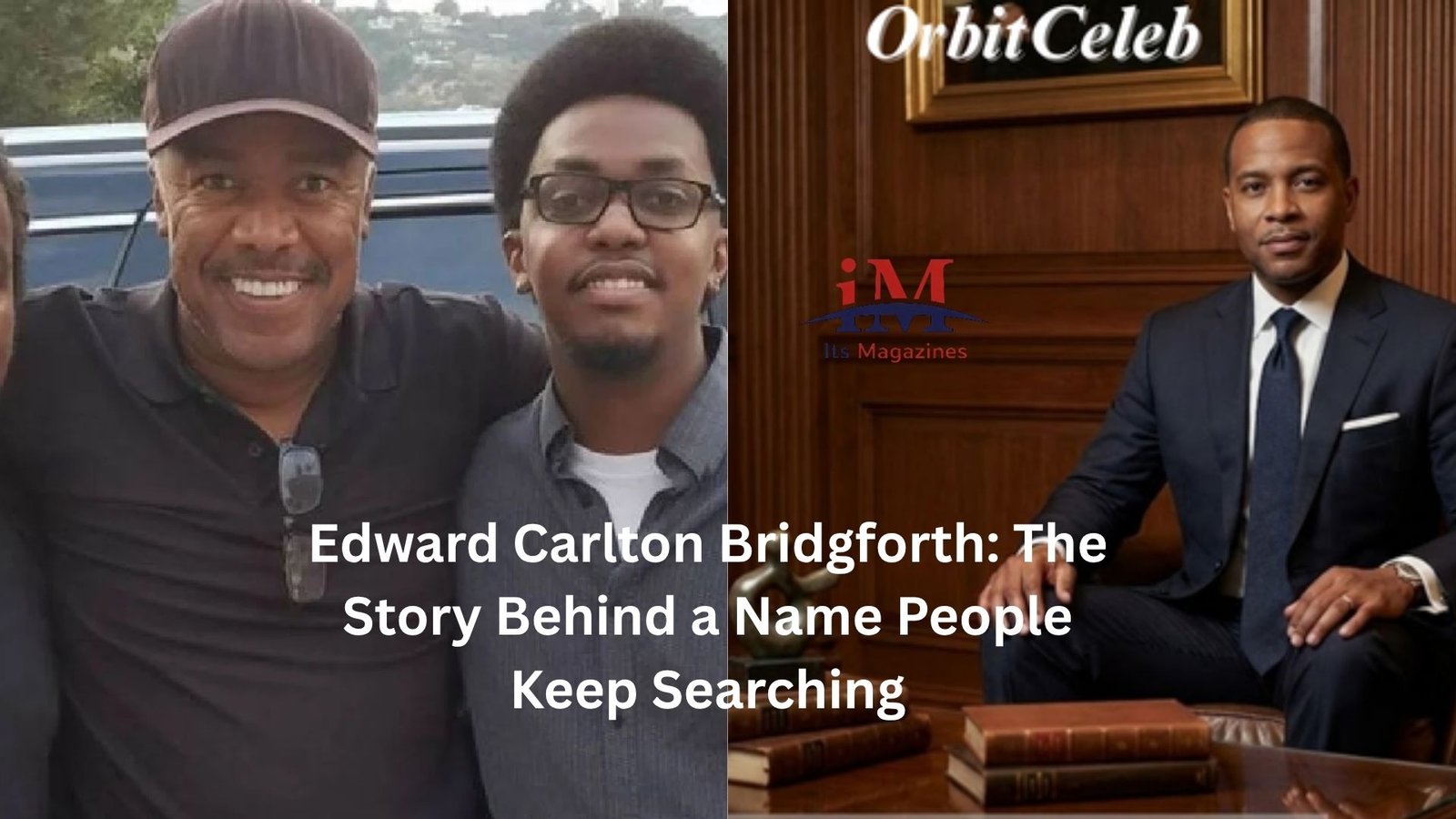
Edward Carlton Bridgforth is one of those names that sparks curiosity almost immediately. You see it, pause for a second, and wonder who the person is, where the name comes from, and why people are looking it up in the first place. That’s usually how these searches begin. Not with celebrity gossip or headlines. Just plain curiosity.
And honestly, that says something about how people use the internet now.
We don’t just search for famous actors or politicians anymore. We search for old classmates, distant relatives, former coworkers, names we heard once at a family gathering, or people connected to a story we can’t fully remember. Sometimes a name surfaces in public records. Sometimes it appears in genealogy searches. Sometimes it’s tied to local history. The internet has turned ordinary names into tiny mysteries waiting to be solved.
Edward Carlton Bridgforth fits that pattern perfectly.
Why Certain Names Stick in People’s Minds
There’s something memorable about a full name with rhythm to it. Edward Carlton Bridgforth sounds formal, almost historical. It has that three-part structure people tend to associate with old family records, legal documents, or Southern family histories.
Now, let’s be honest. Most people don’t type a full name into Google for no reason.
Usually there’s a connection somewhere. Maybe someone heard the name during a conversation. Maybe it appeared in a public archive. Maybe they saw it connected to another person online. Human curiosity fills in the gaps fast.
What makes this especially interesting is how often uncommon names become digital breadcrumbs. One mention online can create years of search activity. A name doesn’t even need to belong to a public figure anymore. If it exists online once, people may keep looking for it.
That’s the strange reality of modern identity.
The Internet Changed How We Think About Personal History
Twenty years ago, most ordinary people lived quietly outside searchable databases. Unless someone appeared in newspapers, business directories, or government records, there wasn’t much to find.
That’s changed completely.
Today, a name like Edward Carlton Bridgforth can appear in dozens of places without the person ever trying to build an online presence. Public records. Archived documents. Family trees. Old athletic rosters. Alumni mentions. Property listings. Obituaries tied to relatives. Small-town newspaper archives.
It adds up fast.
And once a name enters search engines, curiosity tends to do the rest.
A lot of people discover this accidentally. They search their own name one afternoon and realize fragments of their life are sitting online in places they forgot existed. An old address. A school mention from years ago. Maybe a scanned yearbook page. It can feel weirdly personal and strangely distant at the same time.
That’s part of why searches around names have become so common.
Names Carry More Than Identity
Here’s the thing about names: they carry assumptions.
When people hear “Edward Carlton Bridgforth,” they immediately picture someone. Maybe an older gentleman. Maybe someone from a long-established family. Maybe a professional or military background. The name creates an image before facts ever appear.
That happens constantly online.
Certain names sound modern. Others sound historical. Some sound artistic or corporate or political. We make those judgments instantly, even when we know almost nothing about the actual person.
It’s human nature.
And sometimes that’s exactly why people continue searching. They want to see whether the reality matches the impression created by the name itself.
You can test this yourself. Mention a name like “Jake Miller” and most people barely react. Mention “Edward Carlton Bridgforth,” and suddenly there’s texture to it. It feels specific. Memorable. Almost literary.
That distinction matters more than people realize.
The Rise of Digital Curiosity
A huge percentage of online searches now revolve around people rather than products.
That’s not always obvious because tech companies rarely talk about it openly, but it’s true. People search for people constantly. Former classmates. Neighbors. Coaches. Teachers. Family connections. Professional contacts.
Sometimes the reason is practical.
Other times it’s deeply personal.
Someone hears a family story and starts digging. Someone cleaning out an old house finds documents with unfamiliar names. A grandparent mentions a relative nobody remembers clearly. Suddenly one search turns into two hours of online detective work.
And honestly, it can become addictive.
You start with one question and end up reading archived census data at midnight.
That’s probably part of the reason names like Edward Carlton Bridgforth continue generating attention. Even limited information can trigger wider curiosity because people naturally want complete stories.
The internet rarely provides complete stories, though. Mostly it provides fragments.
Public Records Don’t Tell the Whole Story
One mistake people make is assuming online information equals real understanding.
It doesn’t.
A public record might tell you where someone lived. A directory might confirm a phone number from 1998. An obituary might reveal family relationships. But none of that explains who the person actually was.
That gap matters.
A lot of online identity searches create the illusion of knowing someone when really you’re just assembling disconnected facts. Humans are naturally good at building narratives from incomplete information, even when those narratives may be wrong.
Take any ordinary person from a small town and scatter tiny pieces of their life across databases. Years later, strangers can build theories around them without ever knowing the actual truth.
That’s both fascinating and slightly unsettling.
With a name like Edward Carlton Bridgforth, there’s a strong chance the search interest comes less from fame and more from scattered digital traces creating intrigue.
Family History Has Become a Huge Online Hobby
Genealogy used to be something retirees did with binders and library visits.
Now it’s mainstream.
Millions of people spend time researching surnames, ancestry lines, and regional family histories online. And when uncommon surnames appear — especially names with strong historical sounds like Bridgforth — people tend to dig deeper.
Some searches probably connect to exactly that.
Family researchers often look for middle names because they help distinguish generations. “Edward Bridgforth” could describe multiple people. “Edward Carlton Bridgforth” narrows the field considerably.
That middle name becomes important.
If you’ve ever watched someone build a family tree, you know how intense the process gets. They’ll spend three hours trying to confirm whether one person in Tennessee during the 1940s is the same person listed somewhere else in Alabama during the 1960s.
And when they finally confirm it, they react like detectives solving cold cases.
It sounds funny until you’ve done it yourself.
Why Obscure Names Sometimes Trend
Not every search spike has a dramatic explanation.
Sometimes people search a name simply because they encountered it somewhere unusual. A legal filing. A social media mention. A memorial page. A local article. One public appearance can generate a chain reaction of curiosity.
Algorithms amplify this too.
Once enough people search a term, others begin noticing it in suggested searches. Then more people click simply because they’re curious why everyone else is searching.
It becomes self-sustaining for a while.
That’s one reason obscure names occasionally gather unexpected attention online. The internet doesn’t always reward importance. Sometimes it rewards mystery.
Edward Carlton Bridgforth has the kind of name that naturally creates mystery.
There’s Still Value in Privacy
One interesting shift happening lately is that people are becoming more protective of personal information again.
For years, everyone rushed to share everything online. Full names. Birthdays. Locations. Family details. Career histories. Entire lives uploaded piece by piece.
Now the mood feels different.
People are more aware that searchable information lasts forever. Younger generations especially seem more cautious about creating permanent digital trails.
And honestly, that caution makes sense.
Not every person wants their name endlessly searchable. Not every life story belongs online. Sometimes a name is just a name, attached to someone who lived privately and preferred it that way.
That perspective often gets lost in internet culture.
The Human Side Behind Every Search
At the center of all this is a simple truth people forget: every searchable name belongs to a real human being.
That sounds obvious, but online behavior often strips away that awareness. Names become data points instead of people with complicated lives, families, careers, mistakes, successes, and private experiences nobody else fully understands.
Edward Carlton Bridgforth may be someone’s grandfather. Someone’s former teacher. Someone’s old friend. Someone remembered fondly at family reunions. Someone tied to stories that never made it online at all.
Most lives aren’t fully documented on the internet, and maybe that’s a good thing.
The internet captures fragments. Real life happens in the parts nobody archives.
What Makes a Name Memorable
Some names simply stay with people.
Maybe it’s the sound. Maybe it’s the structure. Maybe it reminds someone of another place or another era. Edward Carlton Bridgforth has that quality. It feels distinct enough that once people hear it, they tend to remember it.
And remembered names get searched.
That’s really the core of it.
Not every online mystery has a dramatic explanation hiding behind it. Sometimes curiosity alone keeps a name circulating quietly through search engines year after year.
The modern internet runs on attention, memory, and fragments of connection. A single name can carry all three.
That’s why searches for Edward Carlton Bridgforth continue to catch interest. Not necessarily because the world knows everything about the person, but because people naturally want to know more once the name enters their orbit.
And maybe that says just as much about us as it does about the name itself.