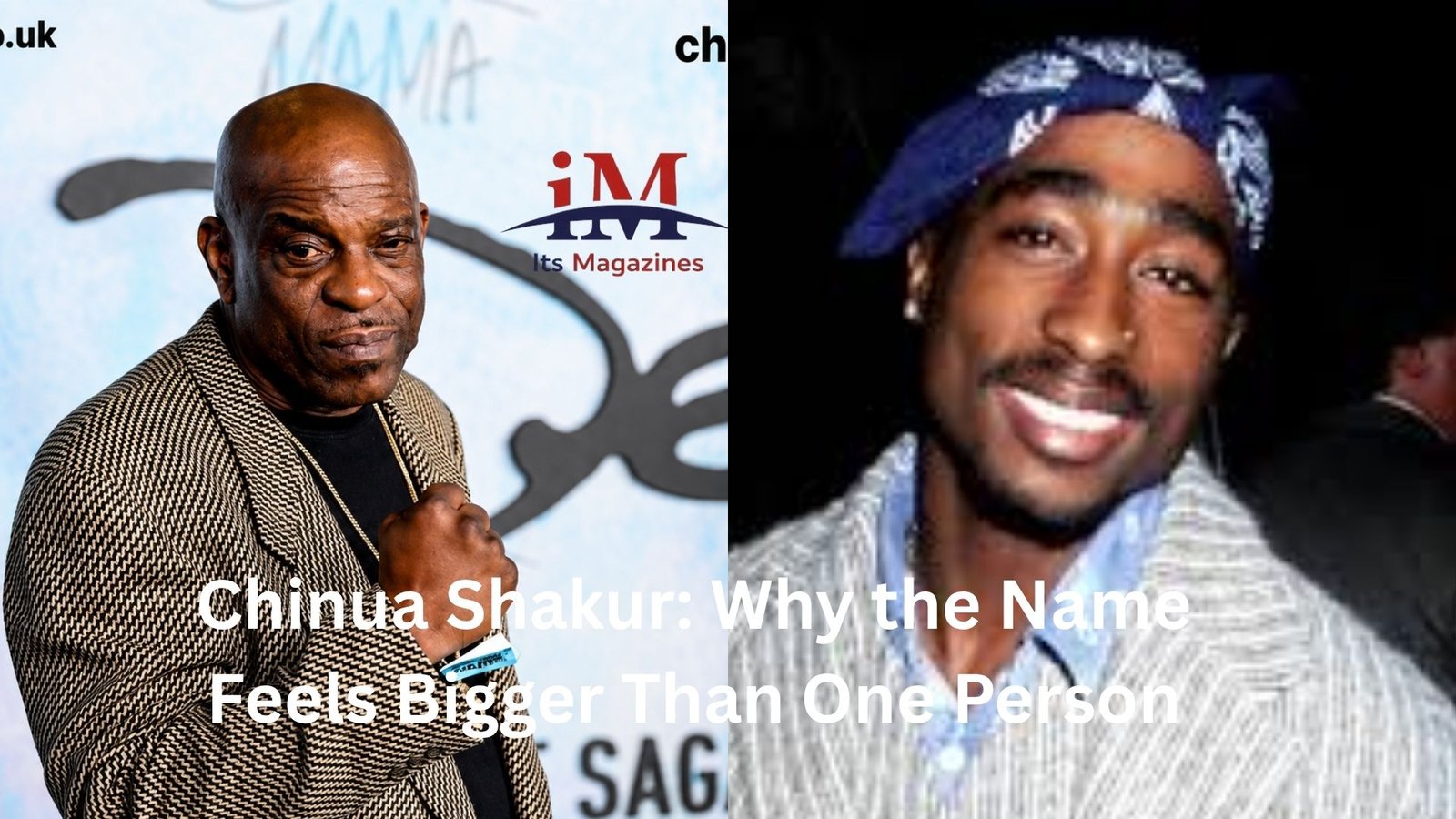
Some names stick in your head the second you hear them. Chinua Shakur is one of those names.
It sounds layered. Thoughtful. Heavy in a good way.
You hear “Chinua,” and for a lot of people, the mind jumps to Chinua Achebe, the Nigerian literary giant who changed how African stories were told around the world. Then there’s “Shakur,” a name forever tied to rebellion, art, political consciousness, and raw honesty because of Tupac Shakur and the wider legacy surrounding that family name.
Put those two together and something interesting happens.
Even if you don’t know a specific public figure named Chinua Shakur, the name itself feels like it already carries a story. It sounds like somebody who belongs in conversations about culture, identity, creativity, and resistance. And honestly, that’s part of why people get curious about it in the first place.
Names matter more than we pretend they do.
You can walk into a room and hear a name before you ever meet the person. Sometimes that name creates expectations. Sometimes it creates pressure. Sometimes it creates intrigue. Chinua Shakur does all three.
The Weight Behind “Chinua”
Let’s start with the first half.
Chinua isn’t a casual name. It has roots. Depth. History.
For many readers, the immediate association is Chinua Achebe, author of Things Fall Apart. If you’ve ever read that book in school, you probably remember how different it felt from the standard Western classics people usually push onto reading lists.
Achebe wrote African characters as complete human beings. Not symbols. Not stereotypes. Not background figures.
That mattered.
And it still matters now.
There’s a reason Achebe’s influence keeps showing up decades later in classrooms, book clubs, podcasts, and debates about storytelling. He changed the angle of the camera. He made people reconsider who gets to tell stories and whose experiences are treated as universal.
So when someone carries the name Chinua, there’s often an automatic sense of intellectual depth attached to it. Fair or unfair, people associate it with literature, awareness, and cultural pride.
You can imagine a teacher pausing for half a second during roll call when they hear it.
“Chinua?”
That’s a name people remember.
Then Comes “Shakur”
Now add Shakur into the mix, and the tone shifts slightly.
Shakur feels louder.
More confrontational.
More emotional.
Most people instantly think of Tupac, and honestly, it’s impossible not to. Even younger generations who weren’t alive during his career still know his face, his interviews, his music, or at least the mythology surrounding him.
What made Tupac memorable wasn’t just talent. Plenty of artists are talented.
It was vulnerability.
He could sound furious in one song and deeply reflective in the next. He talked about poverty, survival, racism, guilt, ambition, and contradiction without trying to clean any of it up for public comfort.
That’s rare.
A lot of public figures spend years building polished identities. Tupac almost did the opposite. He let people see the conflict in real time.
That honesty still resonates because people are exhausted by fake perfection.
So the surname Shakur carries cultural energy that goes beyond celebrity. It signals resistance, expression, and emotional truth.
When paired with Chinua, the result is fascinating.
One side suggests literary depth.
The other suggests raw expression.
Together, the name almost feels like a conversation between intellect and emotion.
Why Certain Names Feel Instantly Memorable
Here’s the thing people don’t always admit.
Some names sound like they belong to ordinary routines. Others sound cinematic.
Chinua Shakur sounds cinematic.
You can picture the name on a book cover. A podcast title. A byline. A spoken-word flyer taped to a café wall. Maybe even the credits of an independent film people pretend they discovered before everyone else did.
That doesn’t happen by accident.
Strong names tend to carry rhythm. Contrast. Identity.
There’s a reason branding experts obsess over names. A forgettable name makes people work harder to care. A memorable one creates emotional texture before any conversation even starts.
Think about artists who changed culture over the years. Prince. Madonna. Kendrick Lamar. Maya Angelou. Frida Kahlo.
The names themselves carry atmosphere.
Chinua Shakur has that same effect. It sparks curiosity before context arrives.
And curiosity is powerful.
The Internet Loves Names That Carry Meaning
Online culture has changed how people respond to identity.
Years ago, a name mostly lived in physical spaces. School. Work. Family gatherings. Maybe a newspaper article if someone became notable.
Now a name exists everywhere at once.
Search bars.
Social media handles.
Comment sections.
Usernames.
Podcast guest lists.
A name can become searchable branding without a person even trying.
That’s why names with layered cultural associations tend to spread quickly online. People pause when they see them. They click. They look deeper.
You’ve probably done this yourself without realizing it.
Maybe you saw a striking username on TikTok or Instagram and thought, “That sounds interesting.” Half the time, curiosity starts with the name before the content even loads.
Chinua Shakur feels built for that kind of digital attention because it sounds meaningful immediately.
Not trendy. Meaningful.
There’s a difference.
Identity Isn’t Simple Anymore
One reason names like this resonate now is because modern identity has become increasingly layered.
People don’t fit neatly into one category anymore.
Someone can love classic literature and hip-hop equally. They can discuss philosophy one minute and post memes the next. They can care about politics while also being deeply involved in fashion, music, gaming, or art.
Older generations sometimes treated identity like a fixed label. Younger generations often treat it more like a collage.
That’s why the combination of Chinua and Shakur feels modern despite both names carrying historical weight.
It reflects crossover culture.
Intelligence mixed with rebellion.
Reflection mixed with expression.
Quiet thought mixed with loud truth.
And honestly, a lot of people see themselves in that tension.
There’s Also Something Deeply Diasporic About It
Another layer worth mentioning is the African diaspora connection embedded in the name.
“Chinua” points toward African literary heritage.
“Shakur” carries strong Black American cultural and political associations.
Together, they quietly represent global Black identity in a way that feels organic rather than forced.
That matters because people increasingly want connections to heritage that feel authentic.
Not performative.
Not corporate.
Not reduced to hashtags once a year.
You see this shift everywhere now. More people researching family history. More interest in African languages and naming traditions. More conversations around reclaiming identity beyond colonial frameworks.
A name like Chinua Shakur naturally enters those conversations because it feels rooted instead of manufactured.
The Pressure That Comes With Powerful Names
Of course, there’s another side to all this.
Names that carry meaning can also create pressure.
Imagine introducing yourself every day with a name people instantly associate with literary brilliance and revolutionary artistry. That’s a lot to carry whether you ask for it or not.
People project expectations onto names constantly.
A kid named after a famous athlete gets asked if they play sports. Someone named after a political figure gets treated like they should have strong opinions on everything. Even unusual names can make people feel like they’re supposed to become extraordinary.
Sometimes that inspires confidence.
Sometimes it becomes exhausting.
There’s a small real-life moment almost everyone with a memorable name experiences: the pause after introductions.
“Oh wow, that’s a powerful name.”
People mean it as a compliment, but after hearing it hundreds of times, it probably feels complicated too.
Because eventually, most people just want room to become themselves instead of becoming the meaning others attach to them.
Why People Are Drawn to Cultural Hybrids
Part of what makes Chinua Shakur compelling is that it sounds like a bridge between worlds.
Literature and music.
Africa and America.
Scholarship and street awareness.
Tradition and rebellion.
That blend reflects where culture is heading overall.
Strict categories are fading. Audiences today consume everything at once. Someone might listen to Kendrick Lamar, read James Baldwin, watch anime, follow political commentary, and learn about African history all in the same week.
The walls between cultural spaces aren’t as rigid anymore.
So names that represent intersection feel increasingly natural.
Even aspirational.
The Emotional Side of Recognition
There’s another reason names matter so much: people want to feel seen.
A culturally rich name can create instant recognition for communities that rarely saw themselves represented properly in mainstream spaces.
For decades, media pushed narrow standards about what sounded “professional,” “acceptable,” or “marketable.” Many people shortened names, changed pronunciations, or hid parts of themselves to fit in.
Thankfully, that’s changing.
Now there’s more appreciation for names that carry heritage openly.
Not because diversity became fashionable, but because people got tired of flattening themselves for comfort.
A name like Chinua Shakur doesn’t shrink itself to fit expectations. It arrives fully formed.
That confidence resonates with people.
Why the Name Stays With You
At the end of the day, Chinua Shakur is memorable because it feels symbolic even before you attach it to a specific person.
It suggests story.
Depth.
Conflict.
Creativity.
Heritage.
And maybe most importantly, it sounds human. Not polished into blandness. Not stripped of identity to make other people comfortable.
Just human.
The world remembers names that carry emotional texture. Names that make people pause for a second and wonder about the story behind them.
Chinua Shakur does exactly that.
And maybe that’s why the name lingers in people’s minds long after they hear it the first time.